Copper & Charcoal | Meet Yoichi Negishi
A visit to the Tokyo workshop of a third generation takumi, whose hand-forged, charcoal-soldered watering cans are made to fall like rain.
- Published
- Read
- 5 min
- Where
- Sumida
‘Takumi’ 匠 : an artisan whose skill has passed beyond technique, into instinct.
Japan has a word for almost every kind of rain. The fine drizzle, the spring rain, the sudden evening shower that comes and goes before you’ve found your umbrella. It is a country that pays close attention to water: how it falls, where it lands, what it does to a leaf.
Which may be why the most beautiful watering can we have ever held is made in a small workshop in Sumida, Tokyo, by a family who have been shaping metal for three generations.
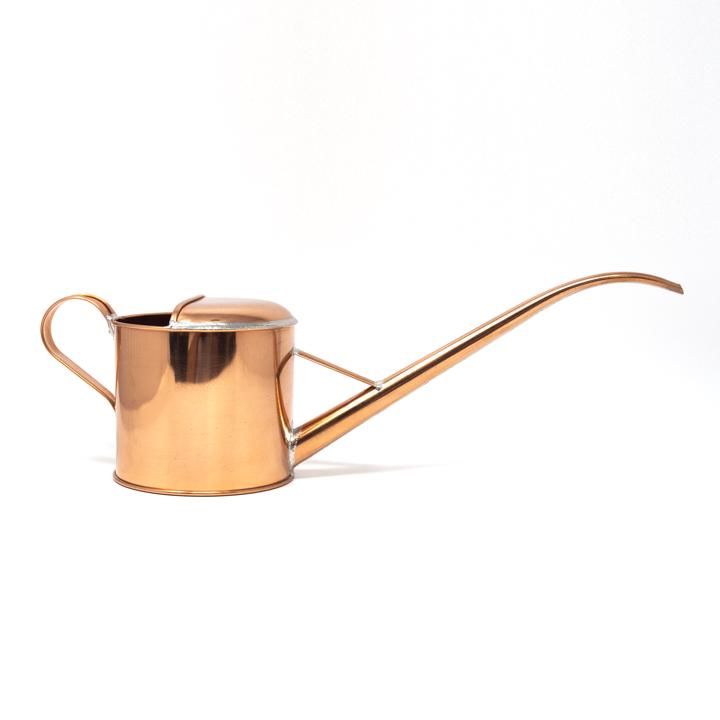
Introducing Yoichi Negishi, third generation takumi of a quietly captivating process: hand-forged, charcoal-soldered watering cans, famous by word of mouth amongst discerning bonsai enthusiasts. No advertising, no catalogue. Collectors simply get on a plane.
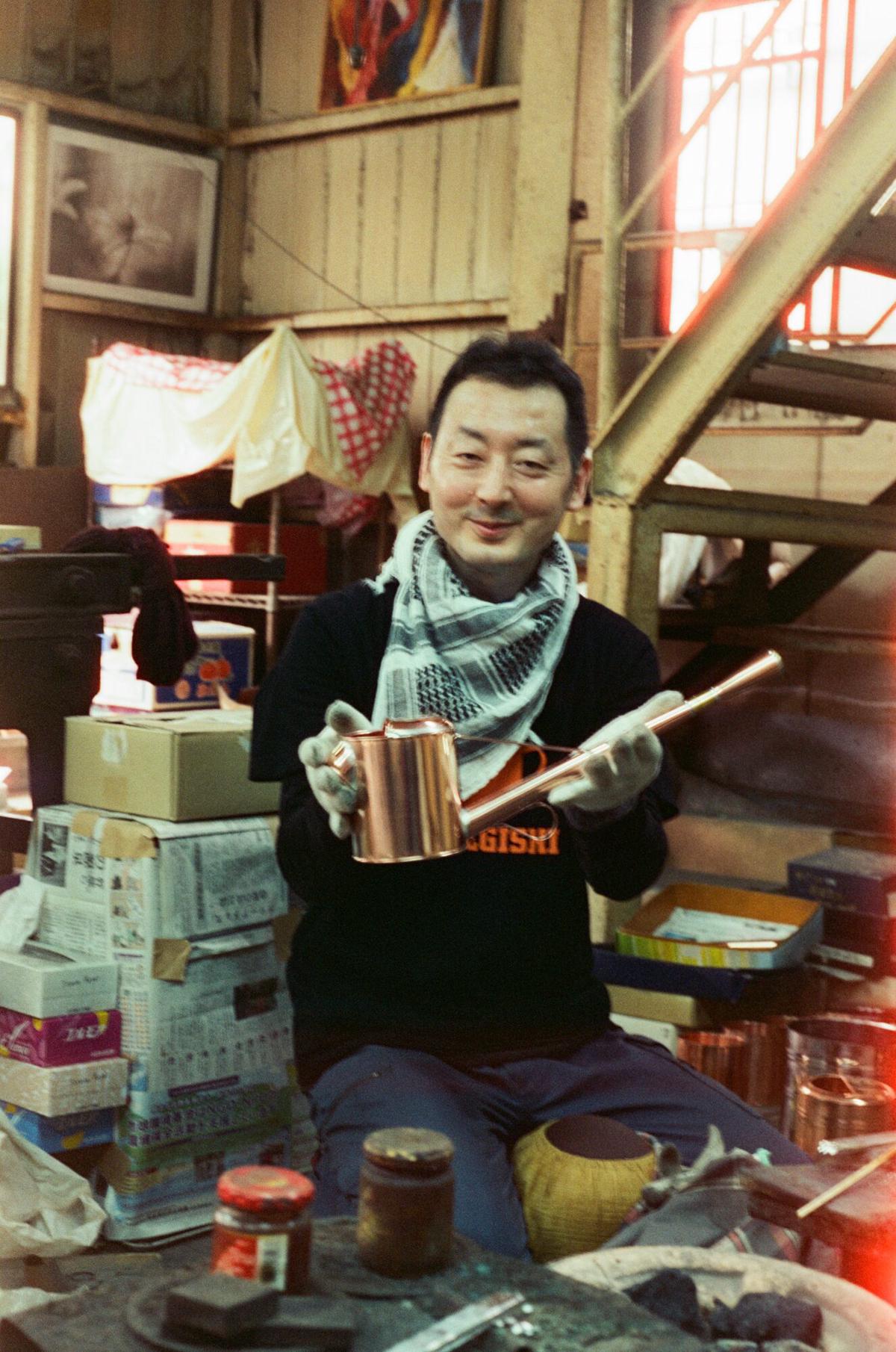
The family did not begin with watering cans at all. They began on rooftops, making the metalwork used on shrines, which tells you something about the standard being kept here, and about how a workshop like this measures time.
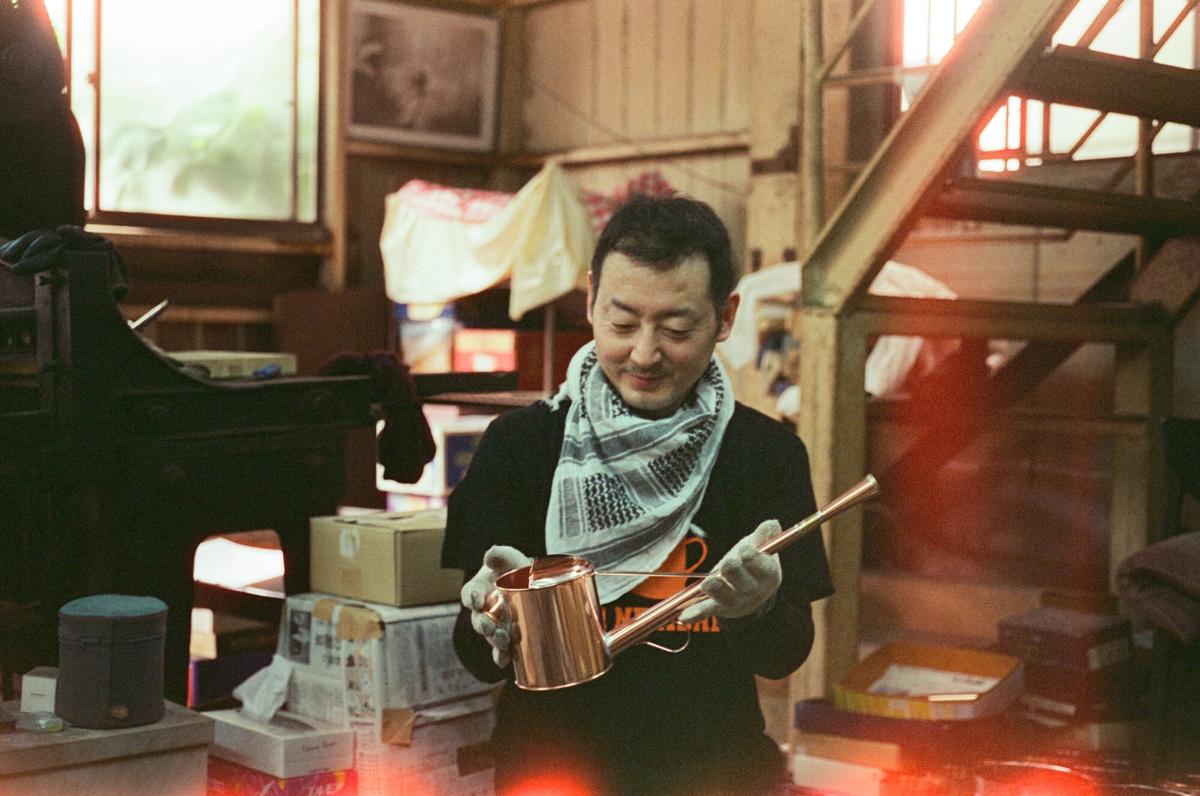
On a recent trip to Japan we were fortunate enough to be invited in. Mr Negishi turned out to be a patient sensei. He showed Arthur how to turn an empty coffee can into a watering can, and then let him loose on every machine in the workshop. It is a great deal harder than he makes it look.
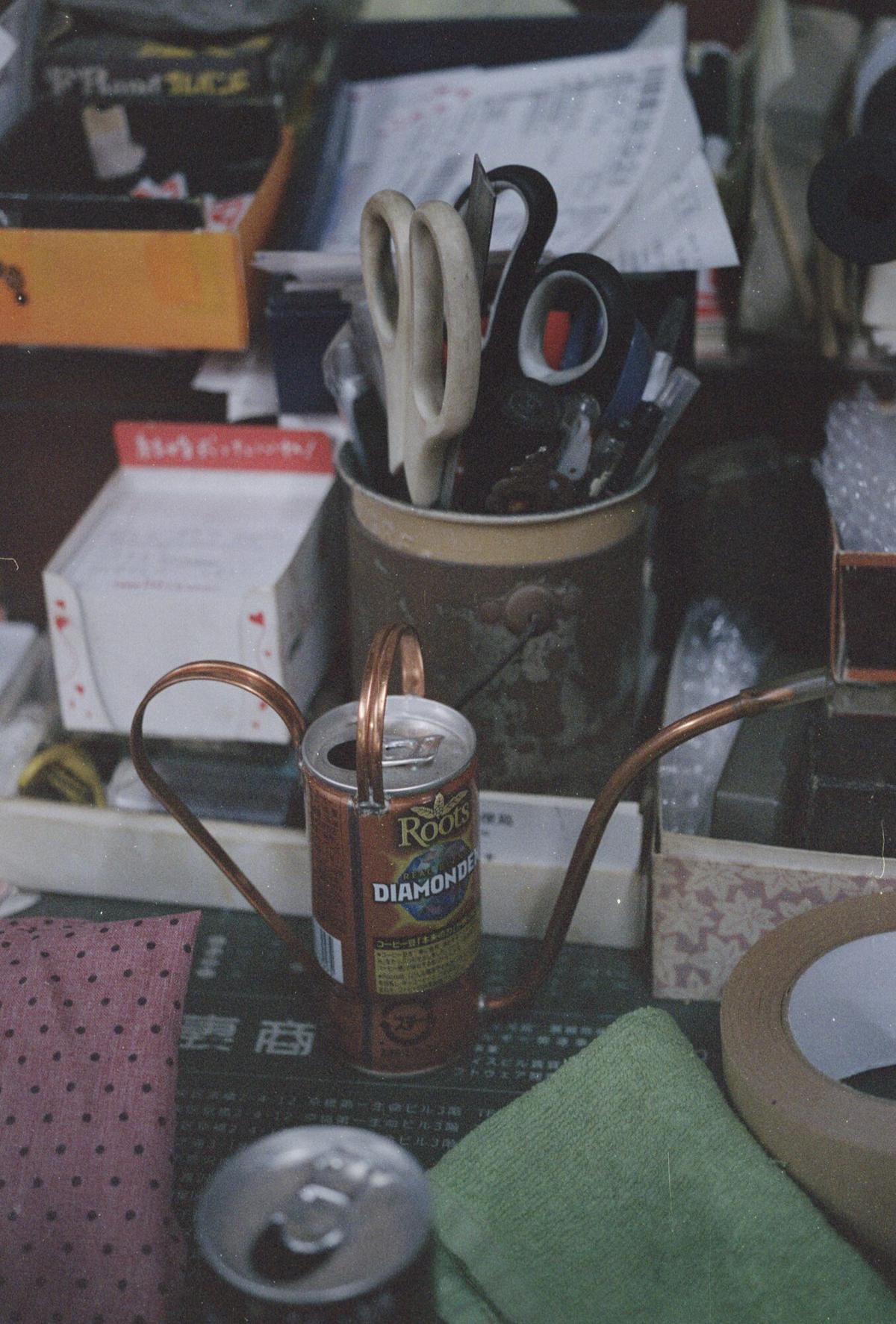
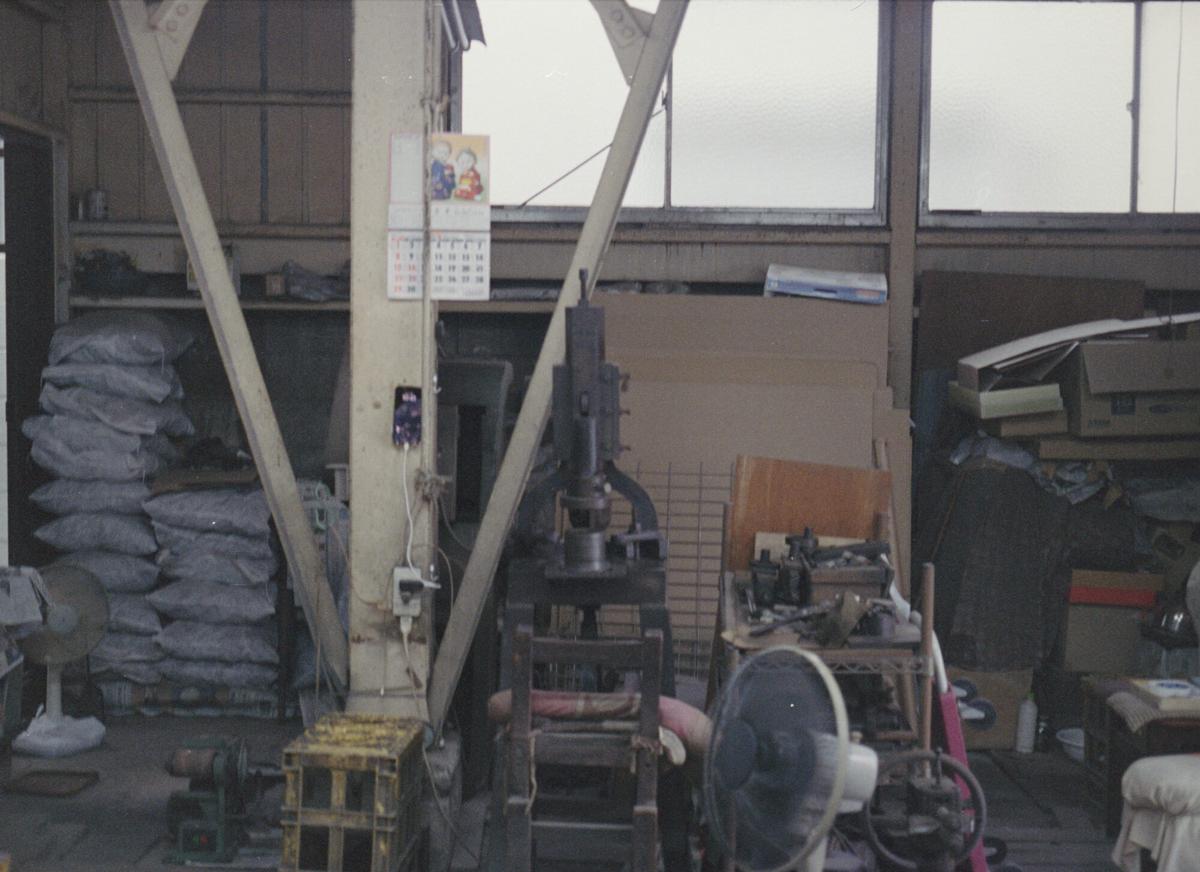
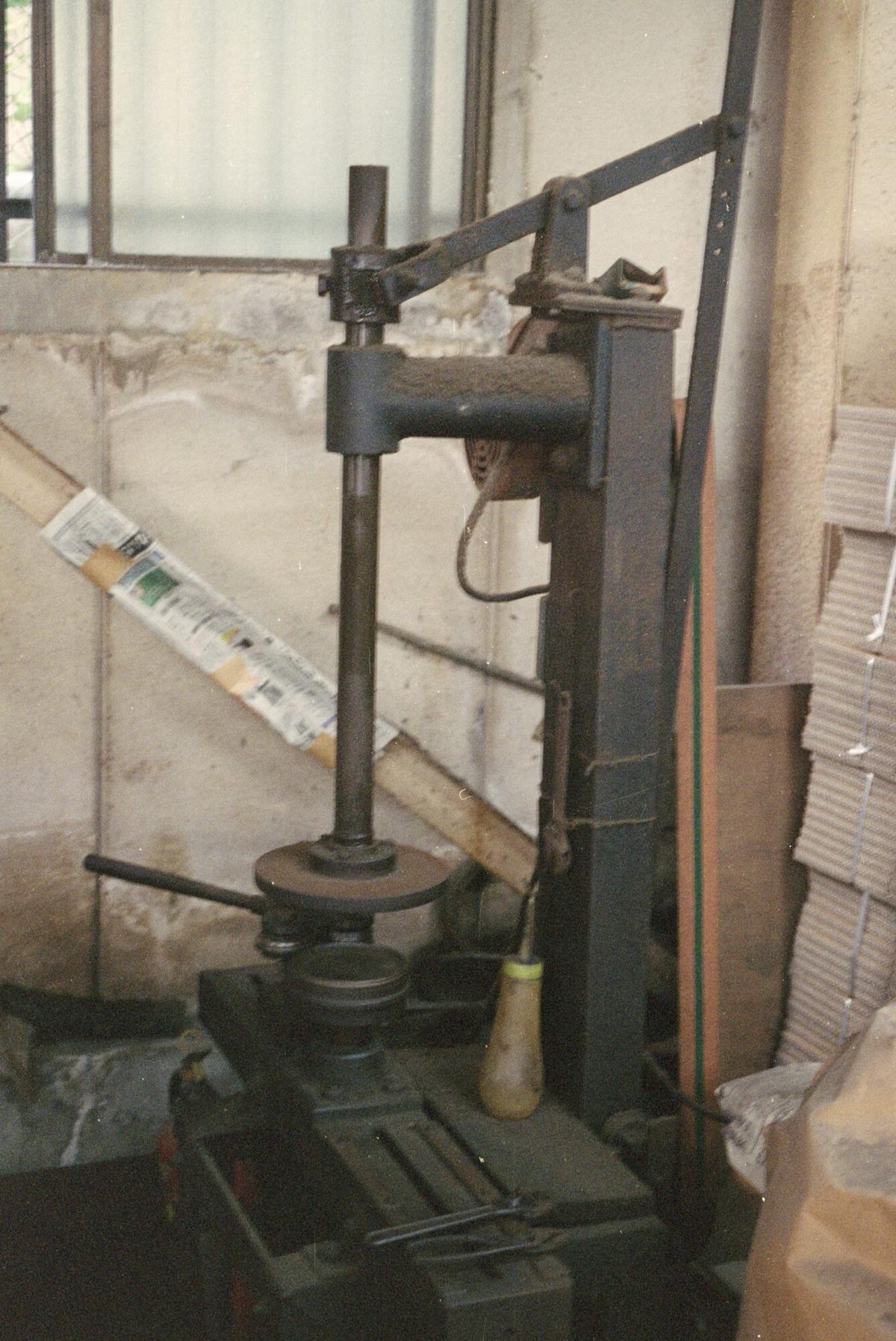
Everything starts flat. A sheet of copper, or steel, since they make both, is cut, rolled and worked until it stops being a sheet and becomes a cylinder, and then a vessel. The presses are driven by hand and by eye. There is no dial to turn.
And then the part that gives these cans their reputation. Solder is melted over coals burning at more than 1,300°C, and flowed by hand across the surface of the metal. Mr Negishi judges it by eye and by colour, working in a light low enough that the coals become the only thing in the room worth looking at. We watched this bit in silence.
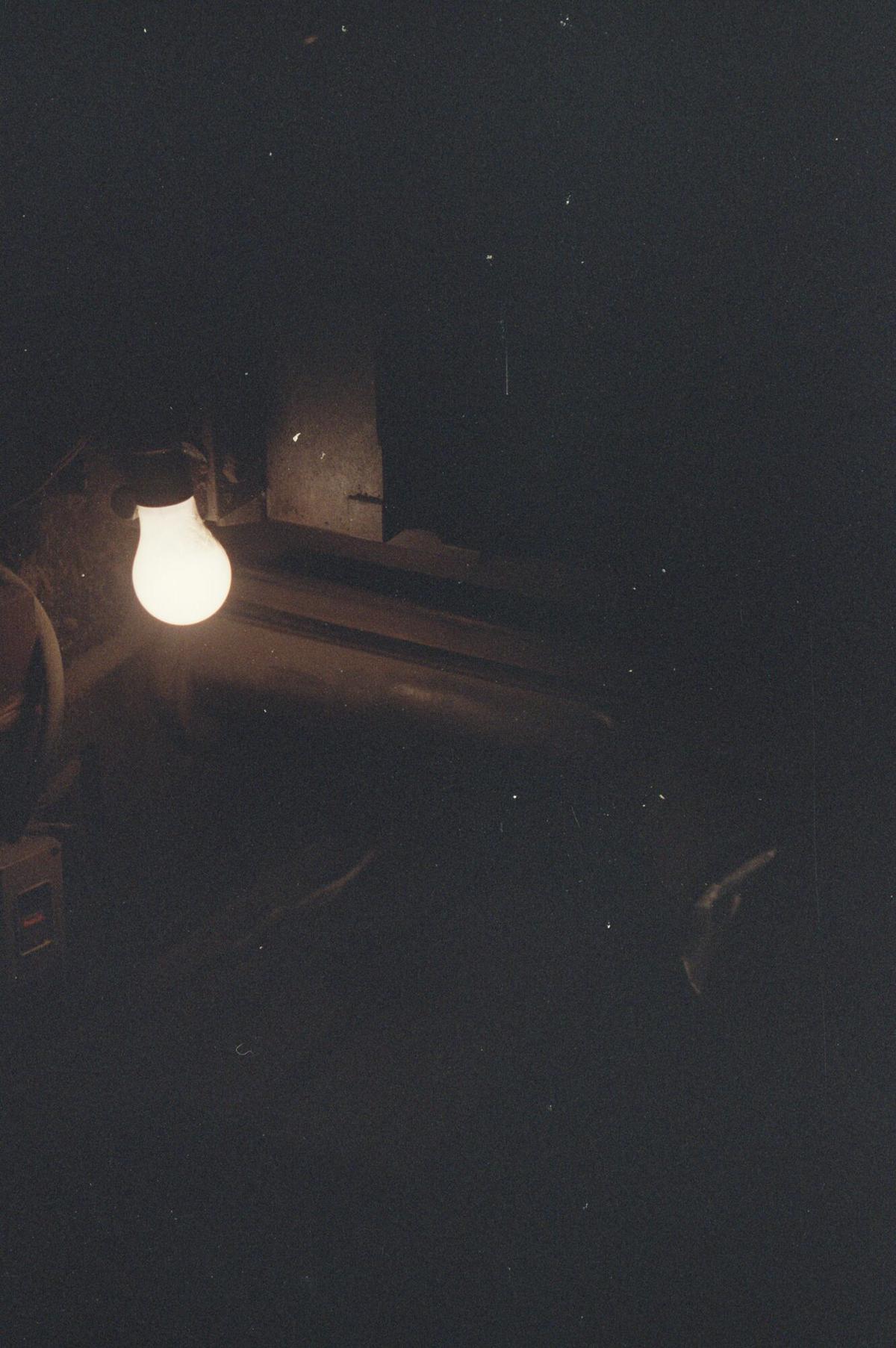
The marks it leaves are not tidied away. They are left deliberately visible, a signature and a record of the hand that made it. Each can takes close to half a day, so only a handful are ever finished in one.
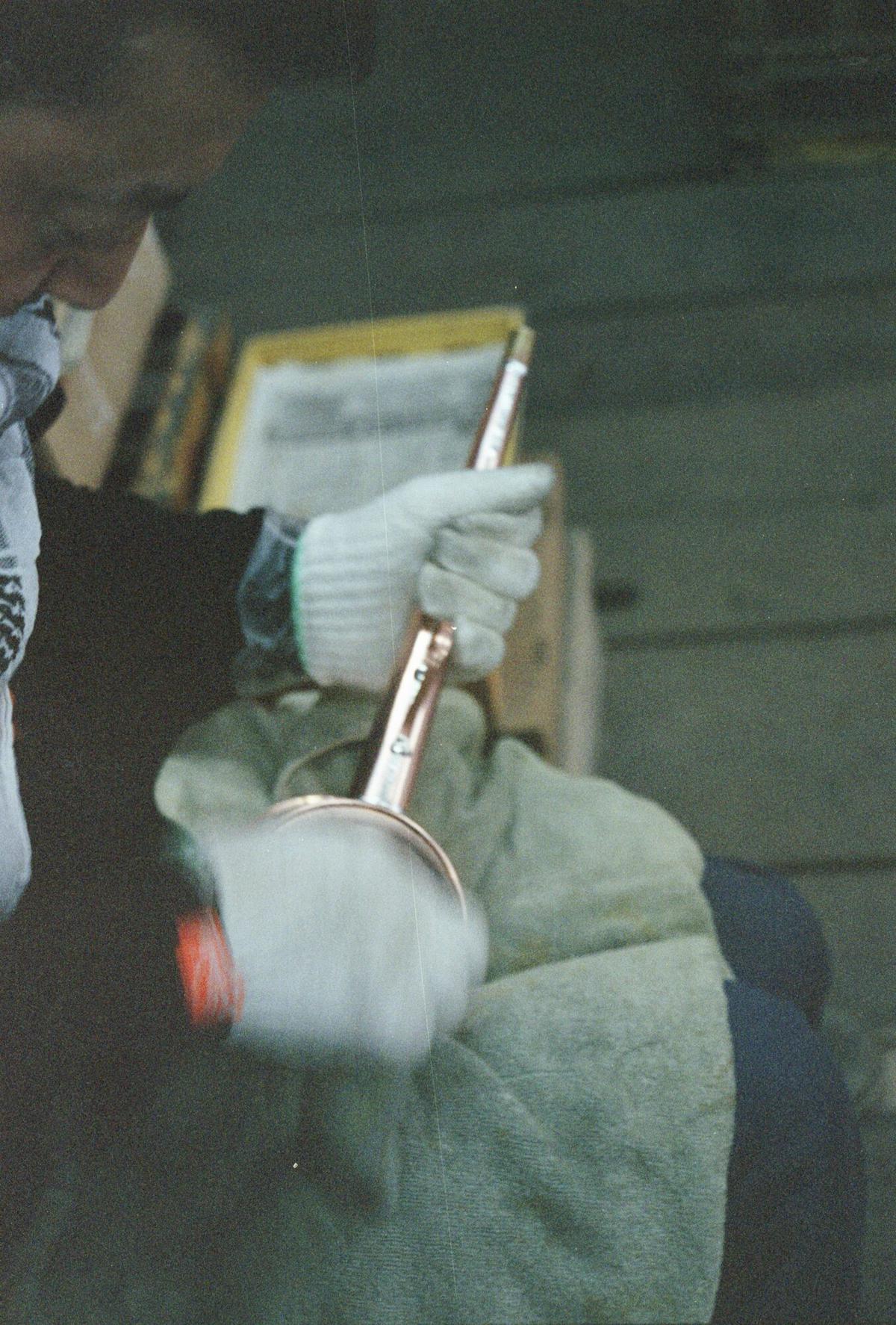
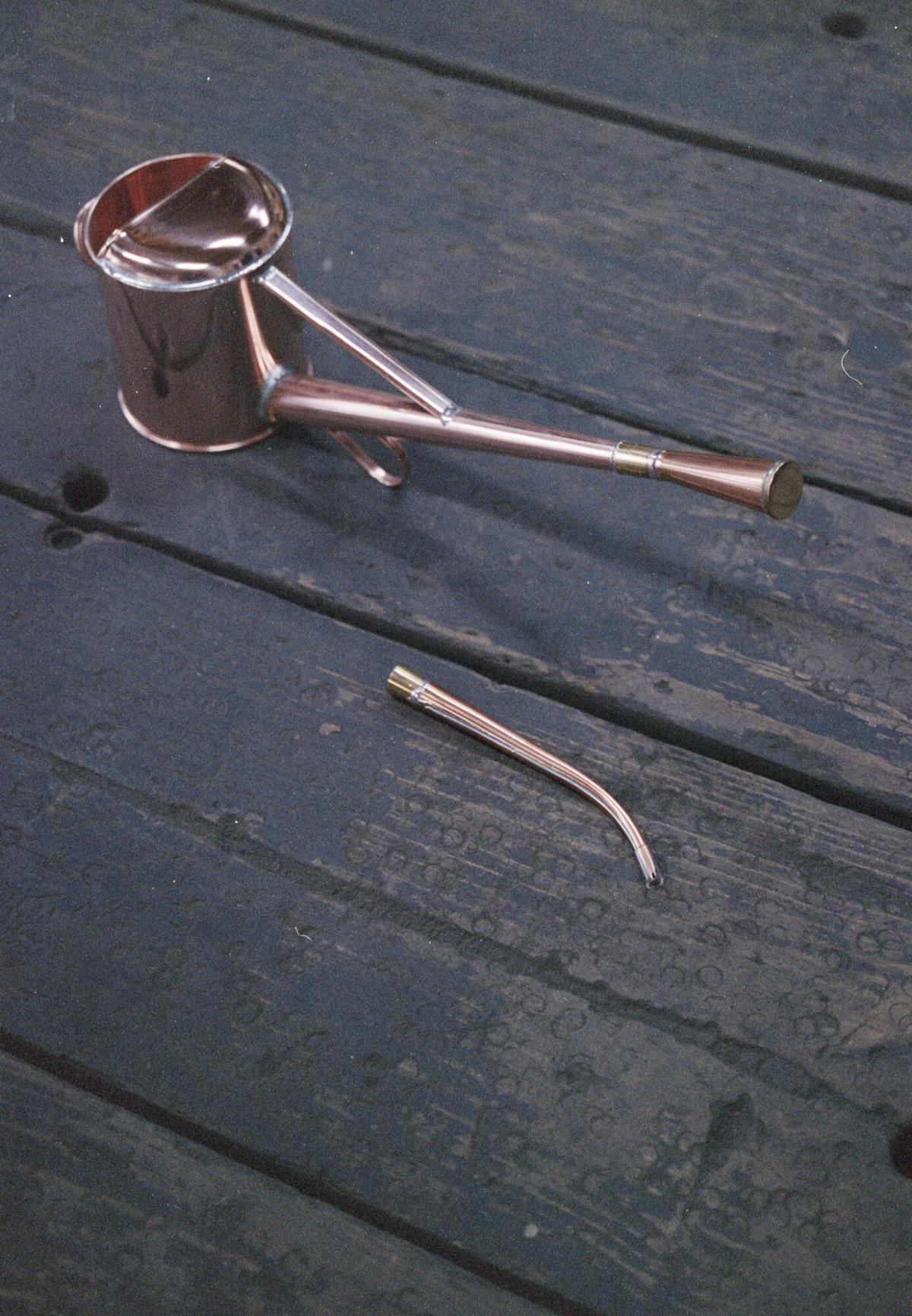
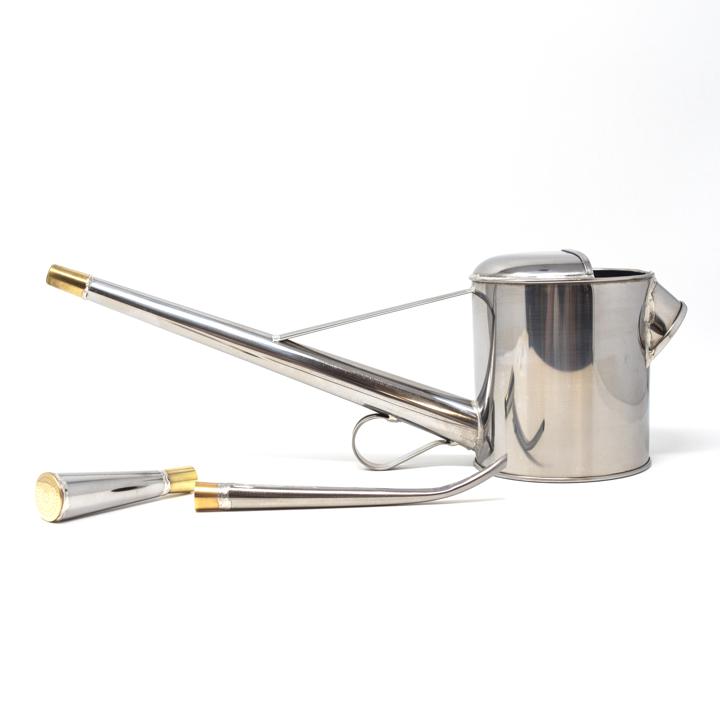
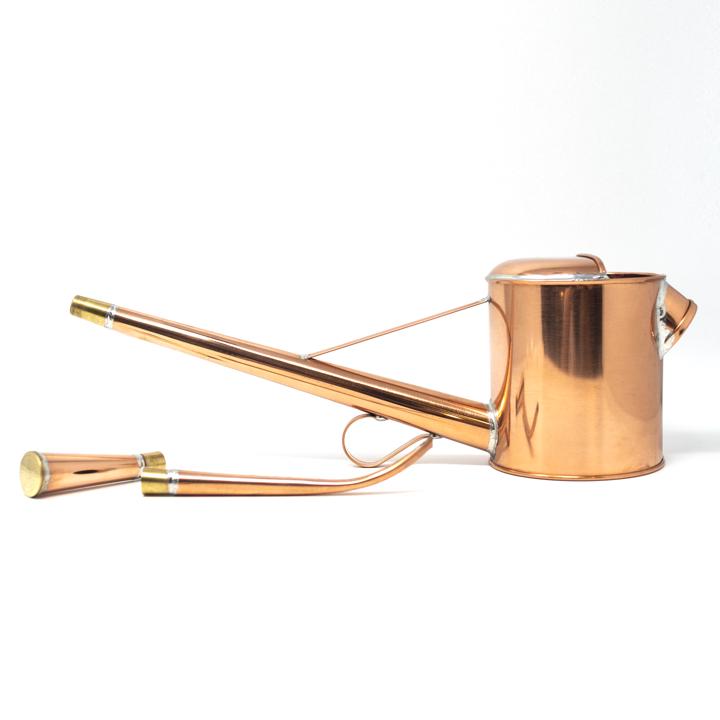
These uniquely designed cans are intended to emulate natural rainfall. The name ‘Chooro’ is a play on words: jōro じょうろ, meaning watering can, folded together with something far more ephemeral, closer to ‘rain dew’, and chisai, small.
Which tells you the whole intention. A Chooro is not built to douse. The long, low silhouette arrived through years of trial and error, and it pours the way rain pours, softly and evenly, gently enough to leave the branches, the leaves and the moss exactly where they were.
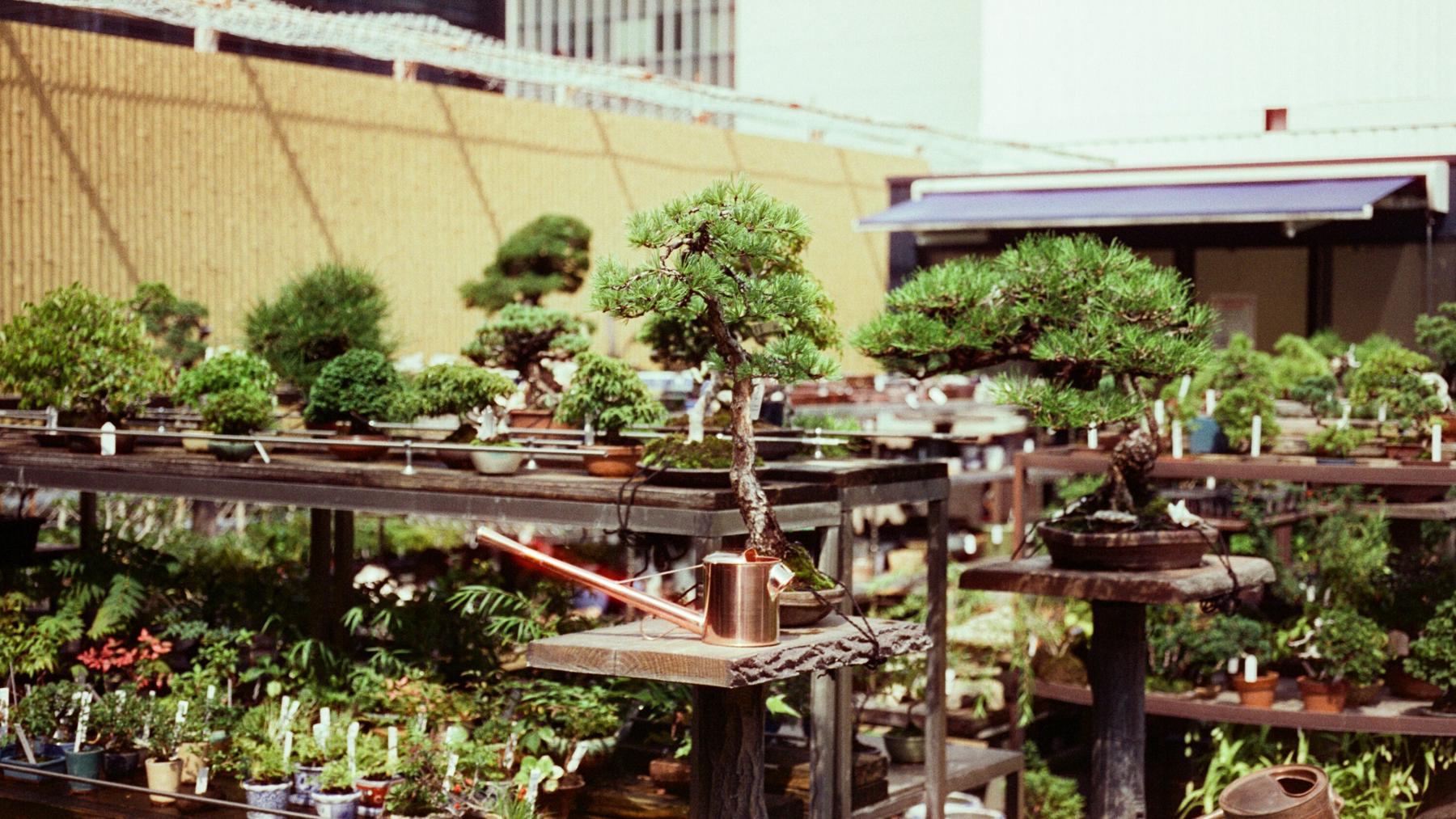
And then Mr Negishi was kind enough to take us across town, to see a collection of bonsai in the golden afternoon light.
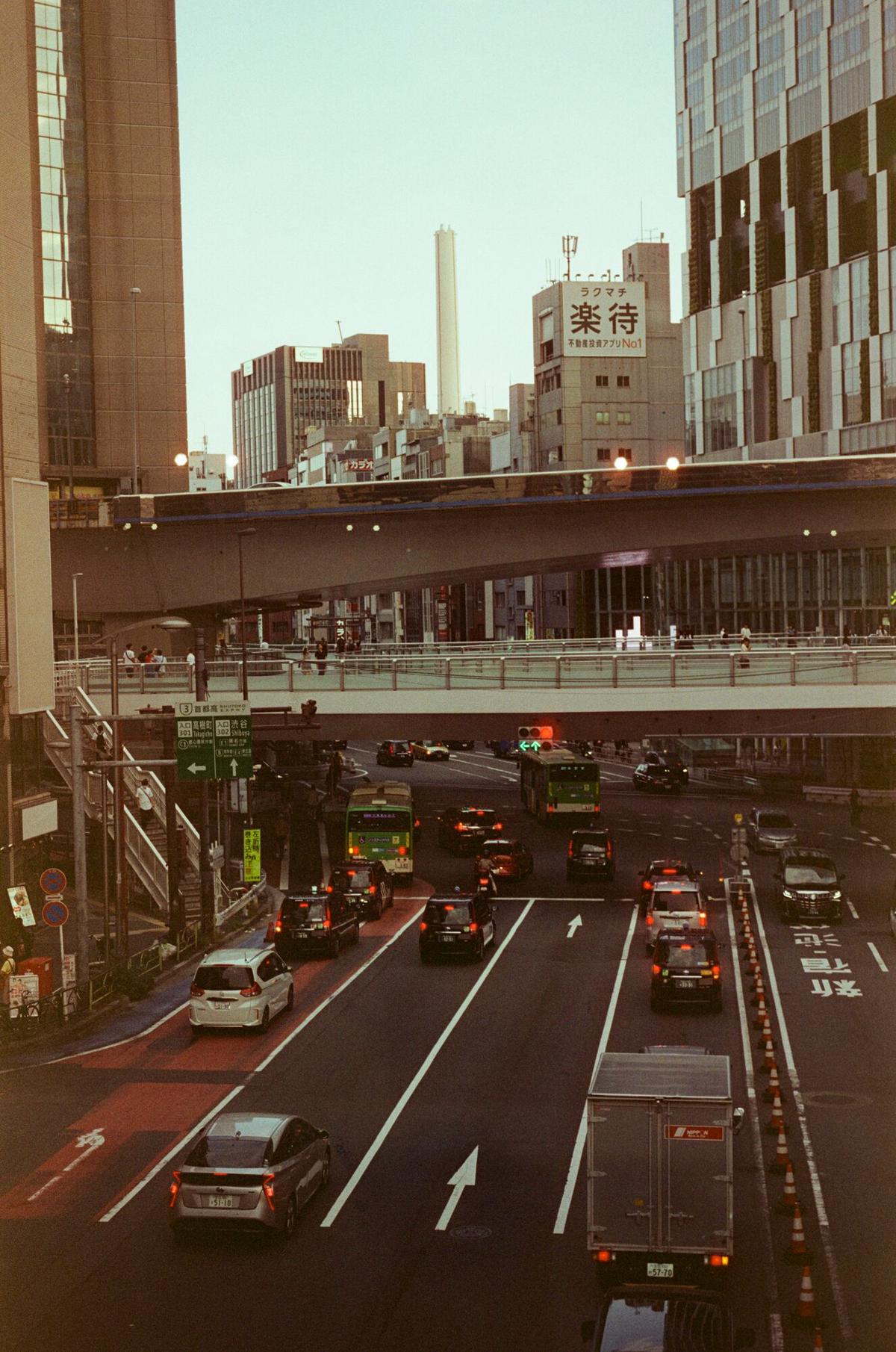
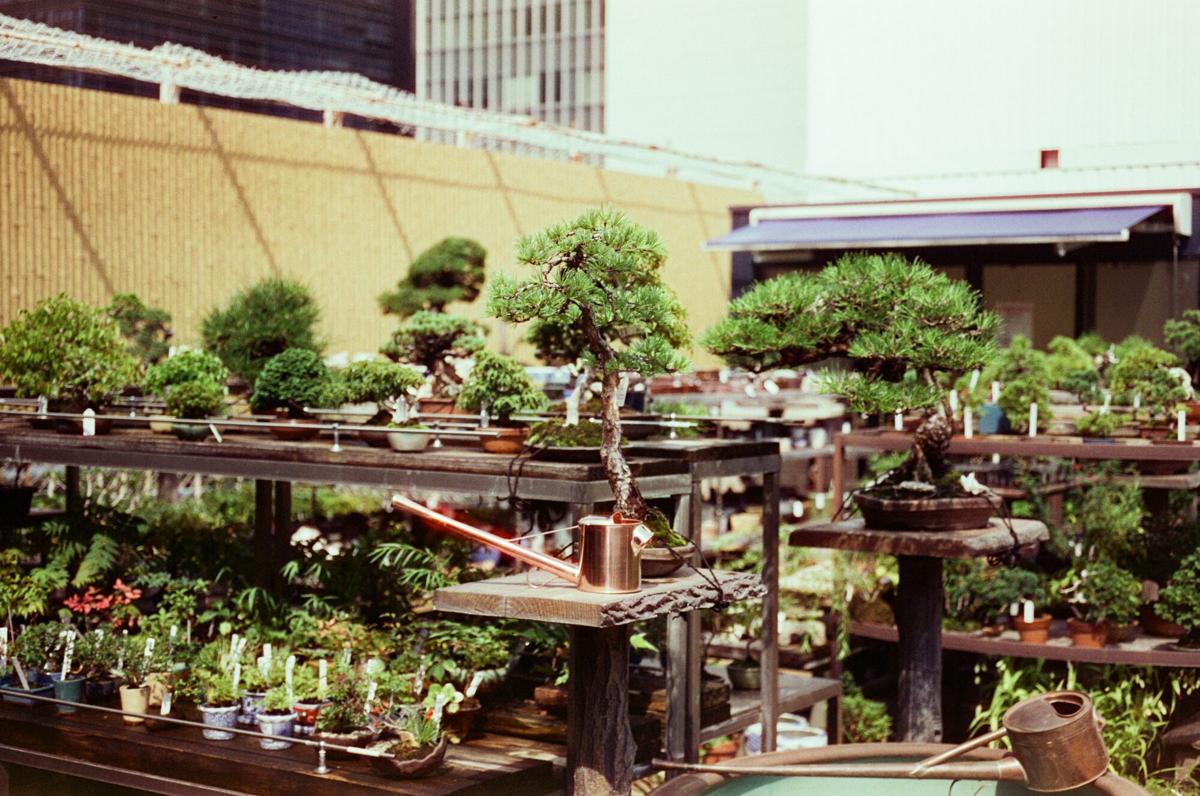
The destination: the bonsai gardens on the roof of the Nihonbashi Mitsukoshi department store. If you have never been, this is the situation. There is a garden on top of a department store in the middle of Tokyo, full of extraordinary trees, and almost nobody up there. Nine floors of handbags and hosiery below. Pines above.
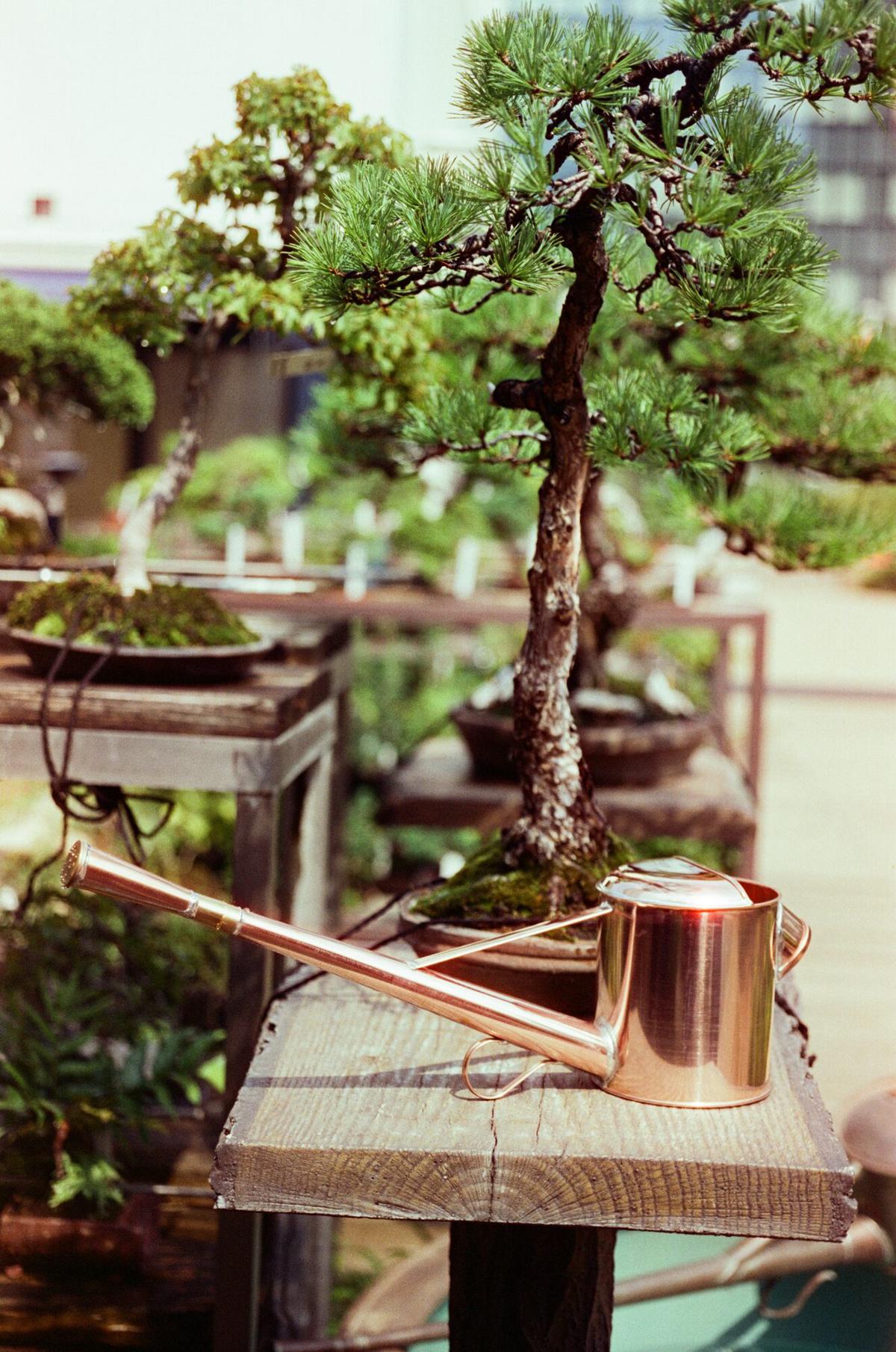
There is a thread running through Japanese craft that an object made for daily use earns its beauty by being used. A Chooro is about as pure an expression of that as we have found. Made by hand, over coals, to do one small thing: to make it rain, gently, on something you love. And to keep doing it for a great deal longer than you will be around to need it.
Related products
Made by Negishi